We can’t believe it’s already April and the Community Studio program is about to start up again! In preparation for the start of Community Studios in May (stay tuned for more details), we will be highlighting some of our favorite projects/artworks from last year’s program.
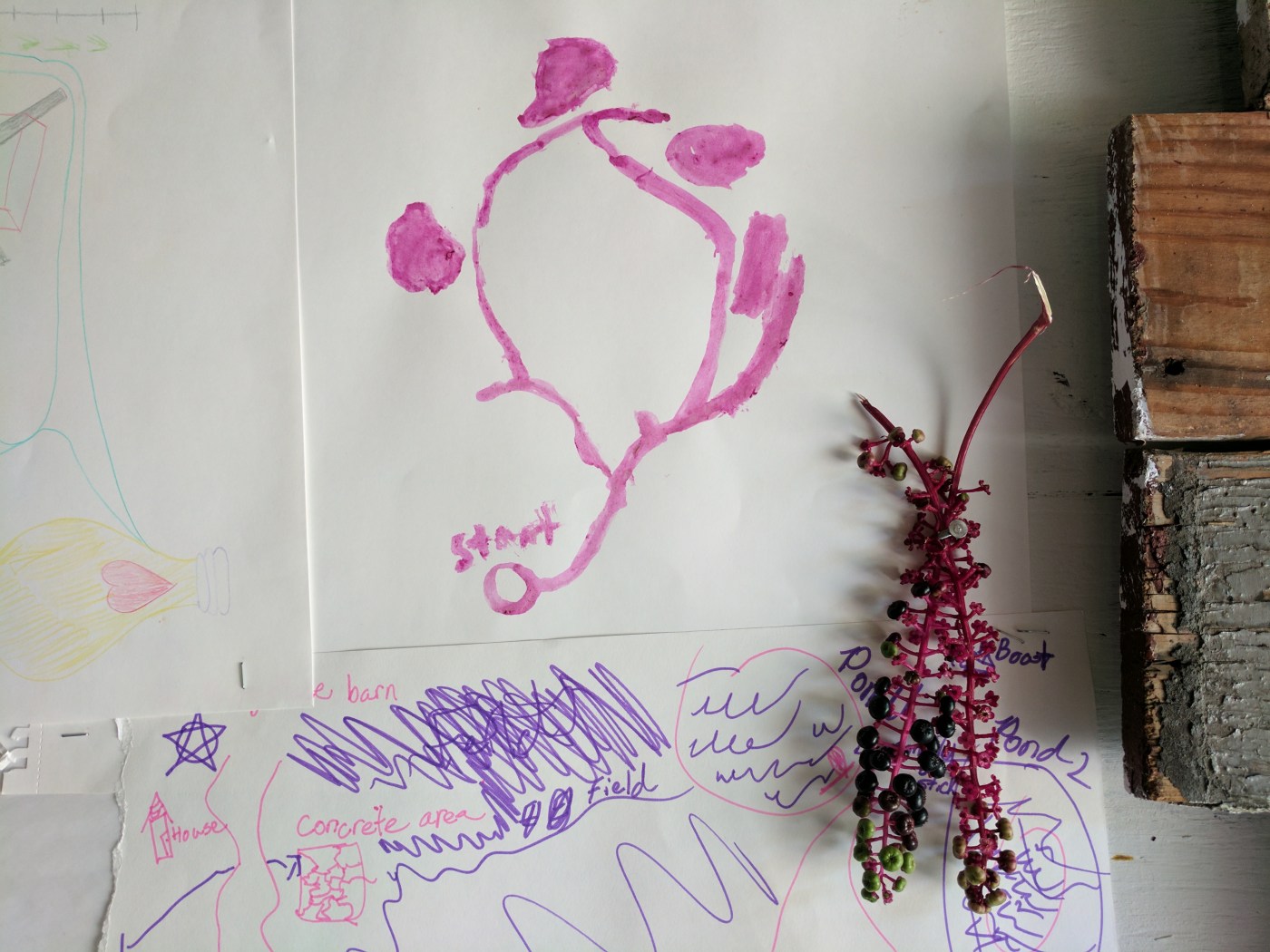
To kick off the “Community Studio Spotlight” series, we are featuring our dérive wall in the Barn Studio. The wall is an ongoing collection of maps made in response to our regular dérive practice as a way of getting to know the Empower Youth Ranch.
What is a dérive?
The dérive is a practice developed by the Situationist International in 1950s Paris. In his 1956 text, “Theory of the Dérive,” Guy Debord describes the practice as such:
One of the basic situationist practices is the dérive [literally: “drifting”], a technique of rapid passage through varied ambiances. Dérives involve playful-constructive behavior and awareness of psychogeographical effects, and are thus quite different from the classic notions of journey or stroll.
In a dérive one or more persons during a certain period drop their relations, their work and leisure activities, and all their other usual motives for movement and action, and let themselves be drawn by the attractions of the terrain and the encounters they find there.
Essentially, the dérive is an unplanned journey (usually through an urban landscape) in which participants forget their usual motivations for movement and “let themselves be drawn by the attractions of the terrain and the encounters they find there.”
Dérives on the ranch
The Empower Youth Ranch has experienced so many incredible changes over the past year, but when we tried our first dérive in July the ranch still felt very raw. I remember the day very clearly – the Red Barn had come down and salvaged boards were arranged in a haphazard spiral on the lawn. I remember it reminded me of Robert Smithson’s Spiral Jetty.
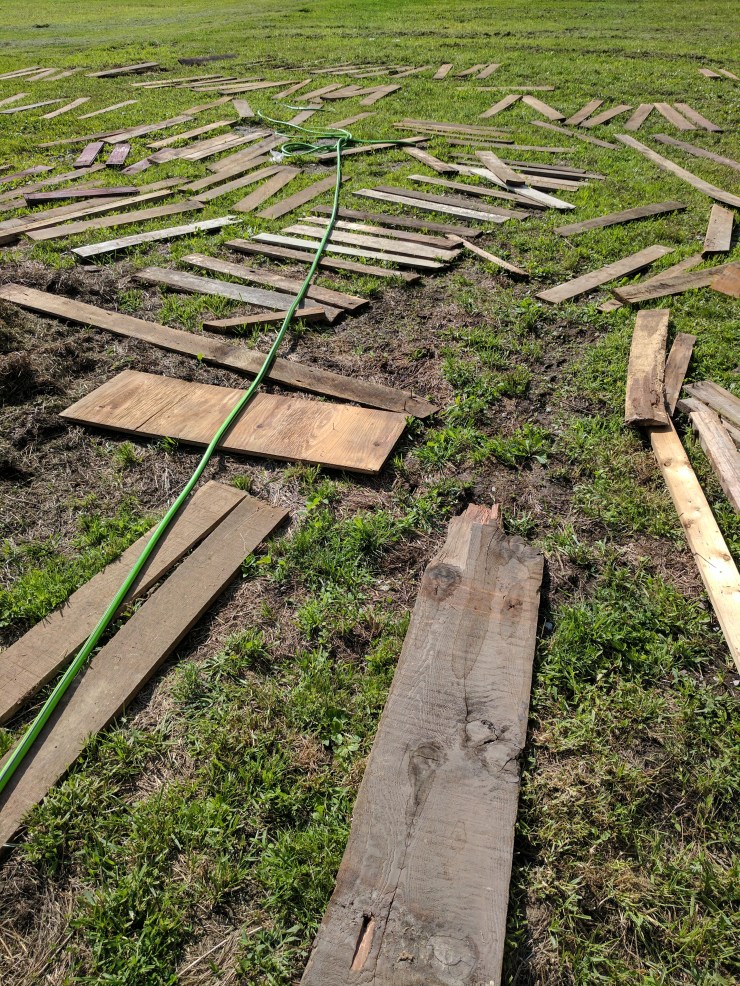
At that time we were still in the process of renovating the Barn Studio and dérive participants included Empower Youth‘s summer interns. We encouraged everyone who participated to break from their usual habits of movement on the ranch and follow other impulses (as long as they remained safe).
I realized my normal motivations for movement on the ranch always stem from what I need to accomplish, and often the paths I walk connect the Barn Studio to the Long Barn (for tools) to the old house (for the sink). On this day, however, I followed my desire to connect lines I saw in the landscape.
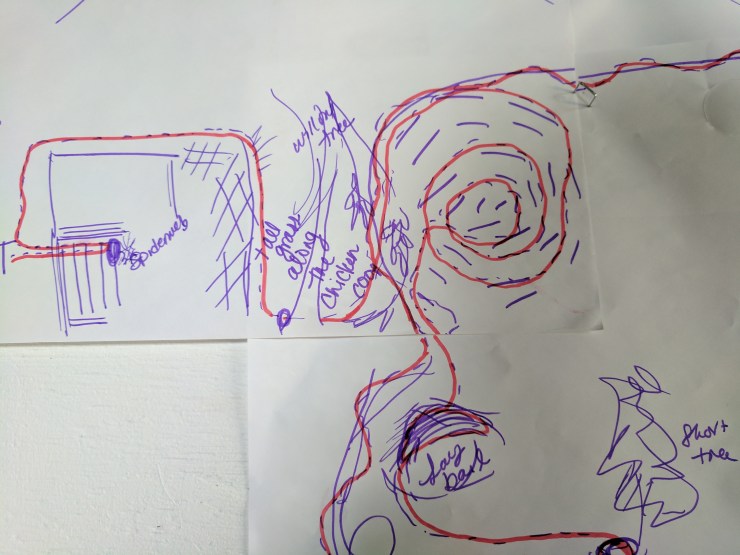
I started my journey by trying to exit the Barn Studio through the unfinished chicken coop, but was deterred by a spider web. Instead, I headed out to the barnyard and followed a line of tall grass along the coop’s border. On the lawn I tried walking the disjointed path created by the drying boards, and from there I remember following the line of the hose – twisting and turning through the grass and arriving at the gravel barnyard. The hose led me across the driveway and to the spigot at the back of the house. Turning around, a bit bewildered, I noticed a perfect line made by the shadow of a telephone wire cutting across the gravel. I followed that line, walking as if on a tightrope, until I was faced with the brush at the edge of the property. Another shadow took me into the rubble of the Red Barn, and I proceeded gingerly across the heap of wet plywood, sand, and concrete blocks.
Ten minutes had passed – the amount of time we had allotted for this activity, and I noticed a stream of dérive participants emerging from the field behind the barnyard.
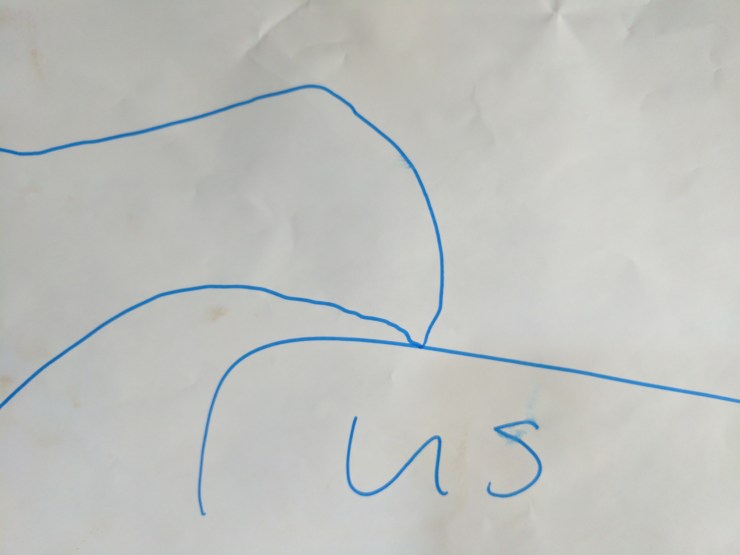
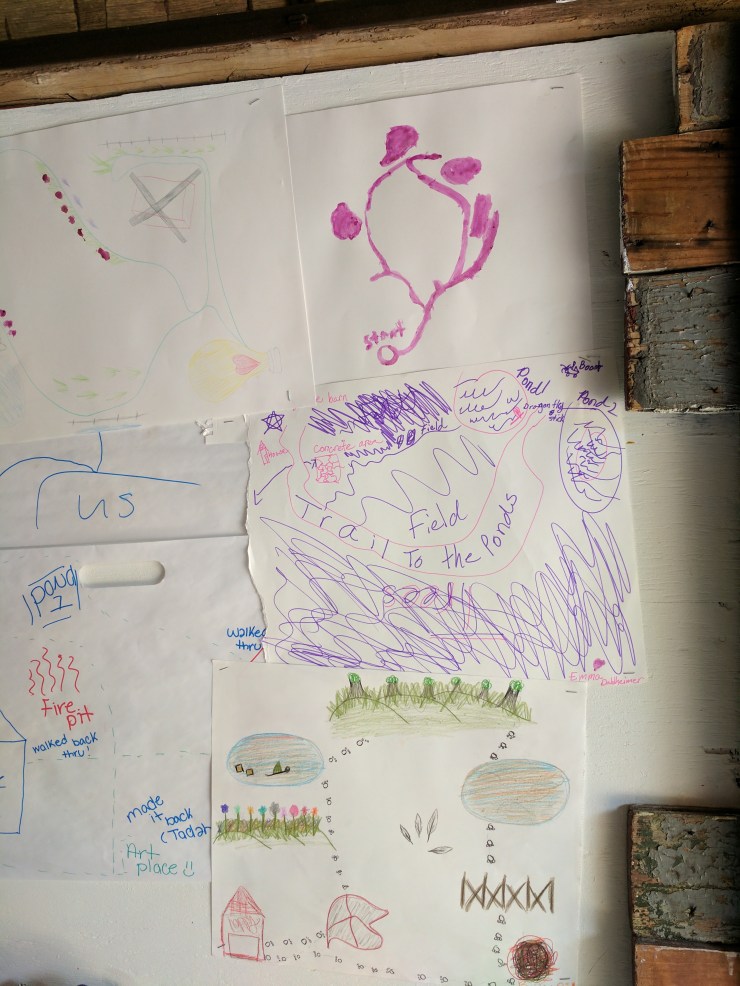
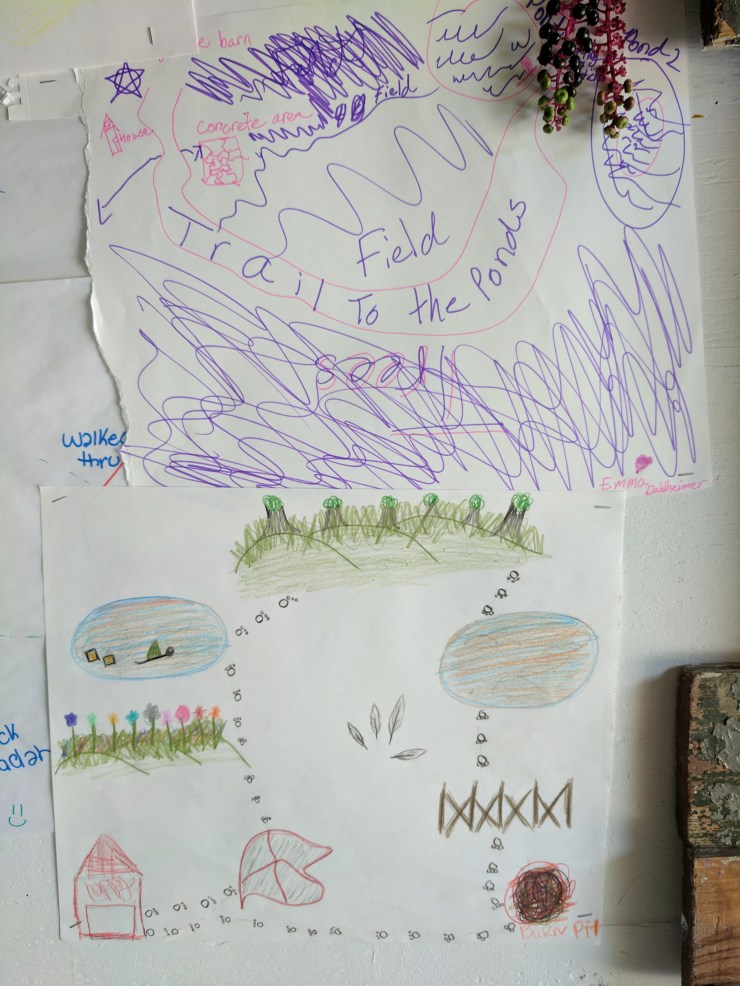
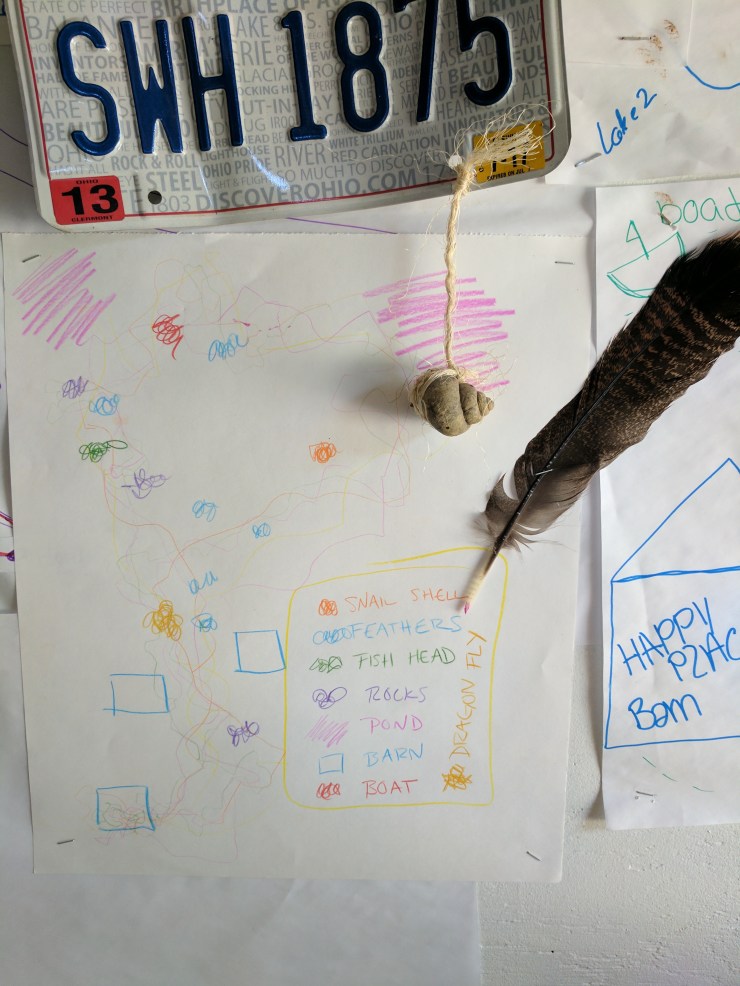
When we congregated back in the Barn Studio, everyone set to work sketching maps of their experiences (mine is the image below). We repeated this activity a few more times throughout the summer, inviting our Community Studio artists to constantly reconsider the ranch and how they move through it. The resulting maps are some of my favorite works produced in Community Studios because they each reflect the unique personality and experience of the artist and they tell a varied and nuanced story of the ranch’s changing landscape.
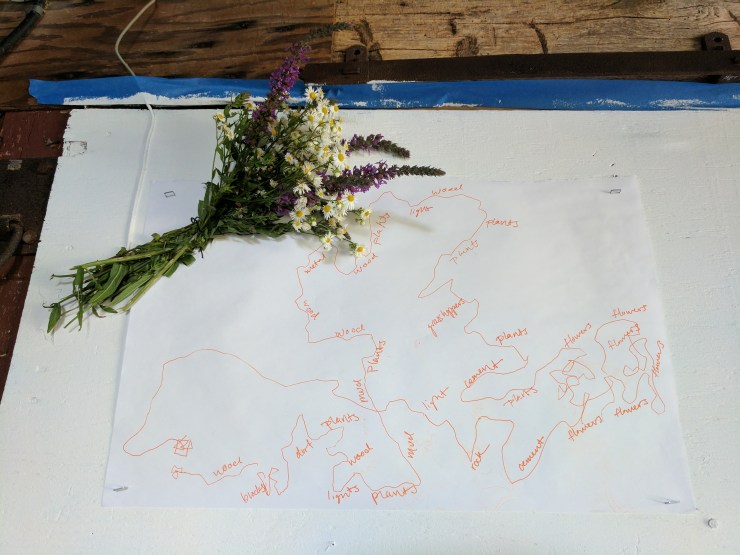
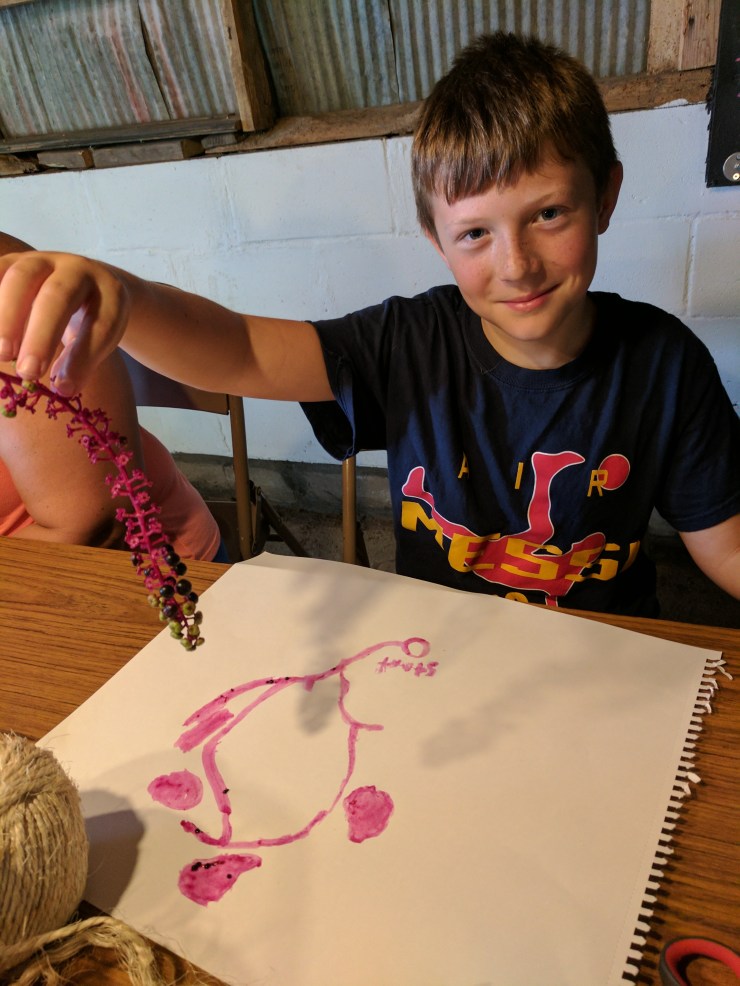
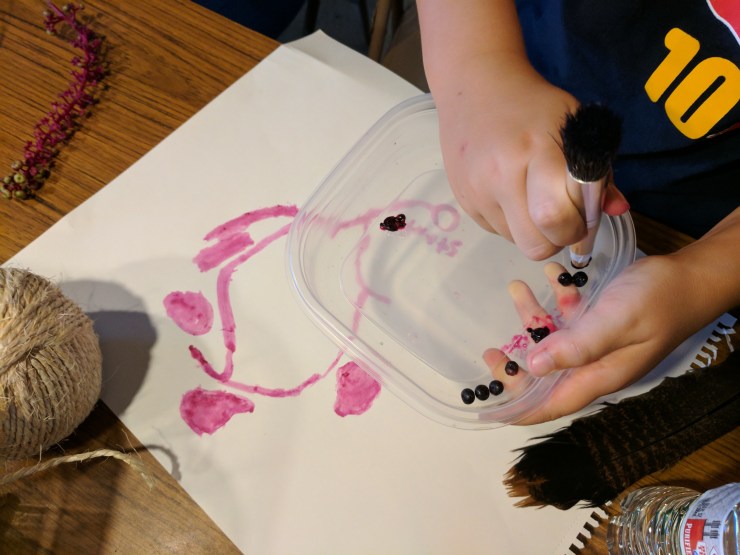
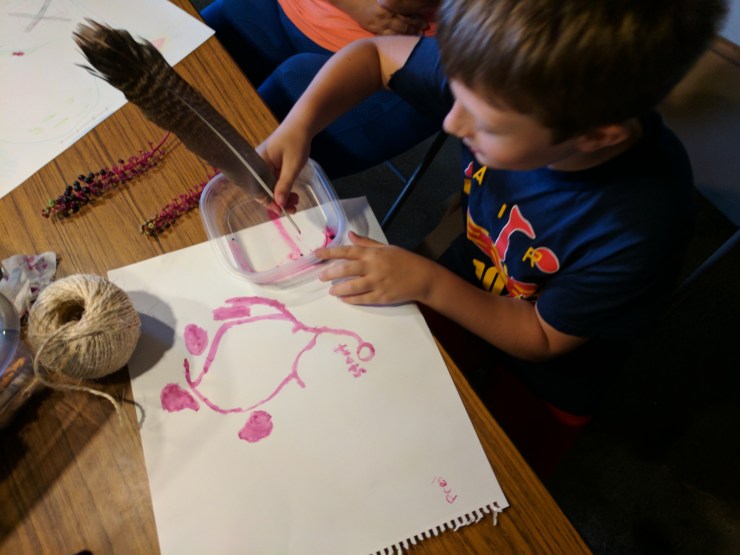
Over time the materials used for making the maps began to reflect the multiplicity of experiences, and one of the most exciting moments was when Community Studio artist, Preston, used berries he collected on his dérive to draw his map. We hung the berries on the wall with his drawing and now we regularly include items found during dérives alongside the maps. The images below are just a few examples of the maps we accumulated in 2017. We can’t wait to add to our collection this summer!

 SOIL SERIES: A Social Drawing